Key Functions of Hydraulic Components:
Flow & Pressure Control: Regulates hydraulic oil flow via internal valve core design (e.g., orifice size and quantity) to control speed and force of actuators (cylinders, motors). Springs and regulating valves work together to ensure safe, stable operation, prevent overload, and protect components.
Flow Distribution & Power Control: Enables hydraulic oil diversion to simultaneously supply multiple components. Adjusts flow and pressure to provide necessary power for starting large equipment or overcoming heavy loads.
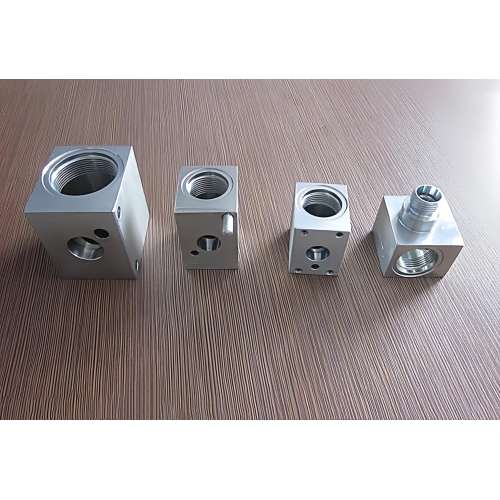
System Integration & Standardization: Centralizes dispersed oil circuits into compact hydraulic manifold blocks, simplifying installation and maintenance. Standardized designs improve interchangeability, reduce costs, and enhance system reliability.
Simplified Installation & Maintenance: Integrates multiple components and circuits, allowing normal operation and troubleshooting through simple connections and debugging.
Improved Accuracy & Reliability: Precision design and manufacturing reduce failure rates, extend equipment life, and lower operating costs.
Manufacturing Capabilities:
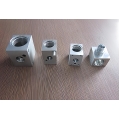
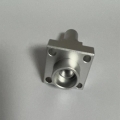
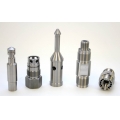
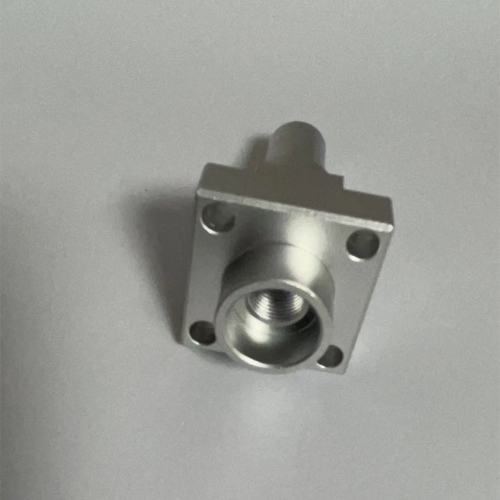
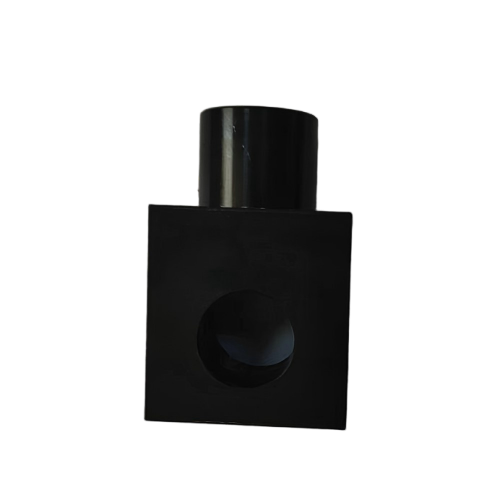
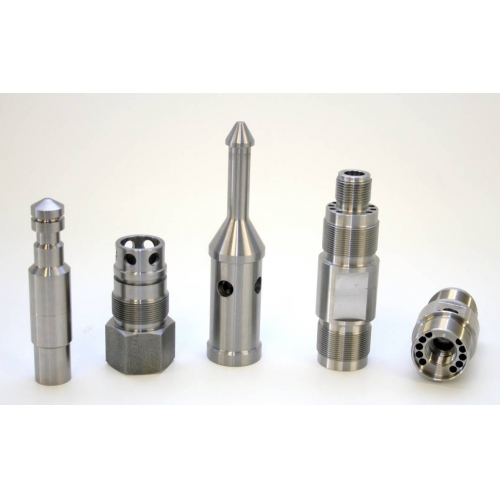
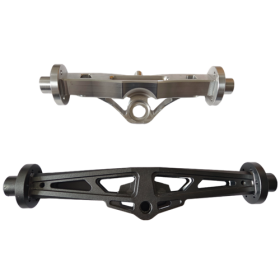
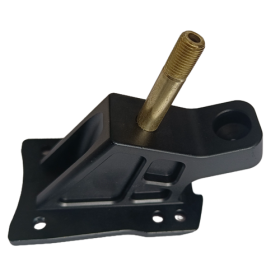
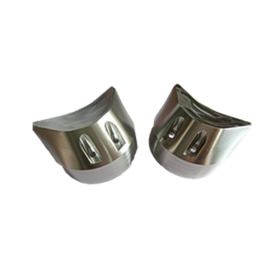
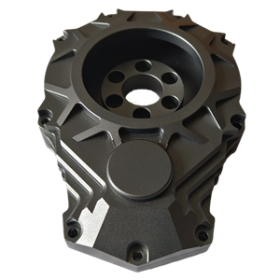
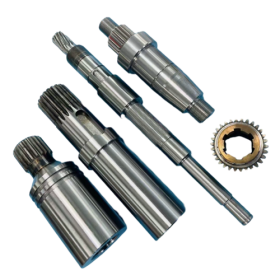
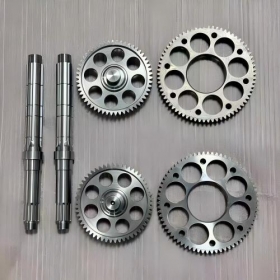
Produce hydraulic parts, cylinder components, non-standard hydraulic tools, quick couplings, and adapters.
Processes: CNC turning, milling, drilling, grinding, polishing.
Precision: up to ±0.002mm.
Raw Material & Forging:
Raw materials are forged to achieve excellent mechanical properties under high pressure.
Forging also reduces machining allowance and lowers manufacturing costs.
Threading:
Supports UNC, UNF, BSW, BSF, NPT, etc.
Inspected using standard Go/No-Go gauges or customer-specified tools.

Dongguan Bomei Precision Machining Co., Ltd
Address: 101, No68, Ditangshan Road 2,Dalingshan Town, Dongguan, Guangdong, China
Contact person: Evan Xiao Evan Xiao